
Brain Training for fear, nerves and pressure at work.
Your people see what pressure does to their brain signal on a headband, learn three ways to steady it, and practise until they can do it on demand. Then they keep training for three months.
The moments your people tell us about.
Turn each card over to see what changes after the half day, or switch them all at once.
 TAP TO SEE AFTER
You know the numbers. Then the finance director asks one question and your mind goes blank.

You notice the spike, breathe out slowly, and answer the question that was actually asked.
 TAP TO SEE AFTER
You plan the difficult conversation all weekend, then rush through it in four minutes on Monday.

You slow down, keep your attention on the other person, and say the hard part clearly.
 TAP TO SEE AFTER
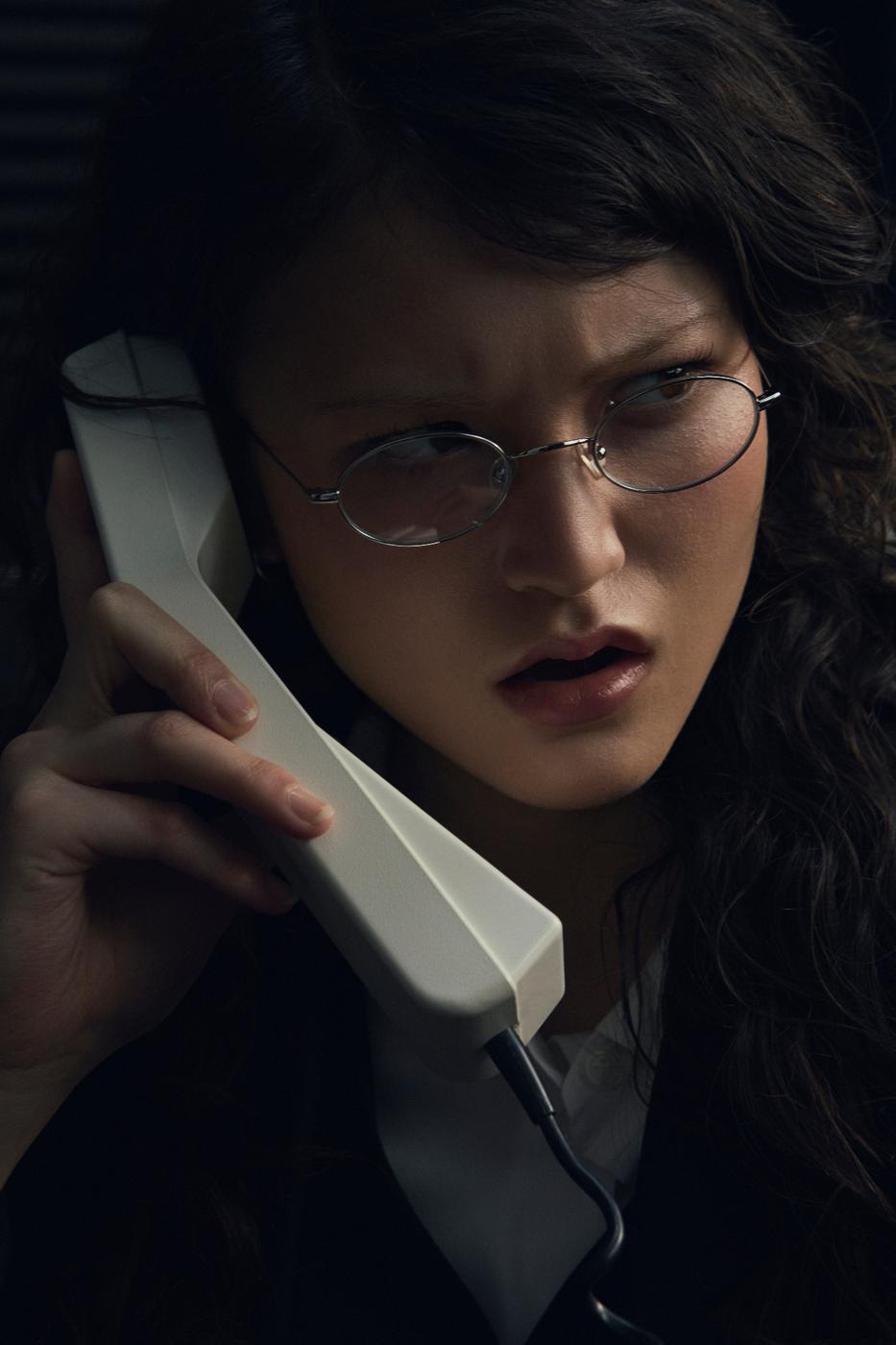
Your heart is pounding before the client call, and you can hear it in your voice.

You use the thirty seconds before the call to settle, and your voice stays steady.
 TAP TO SEE AFTER
You replay what you said in the meeting for the rest of the day.

You know how to bring yourself back down after a hard meeting, instead of replaying it all evening.
 TAP TO SEE AFTER
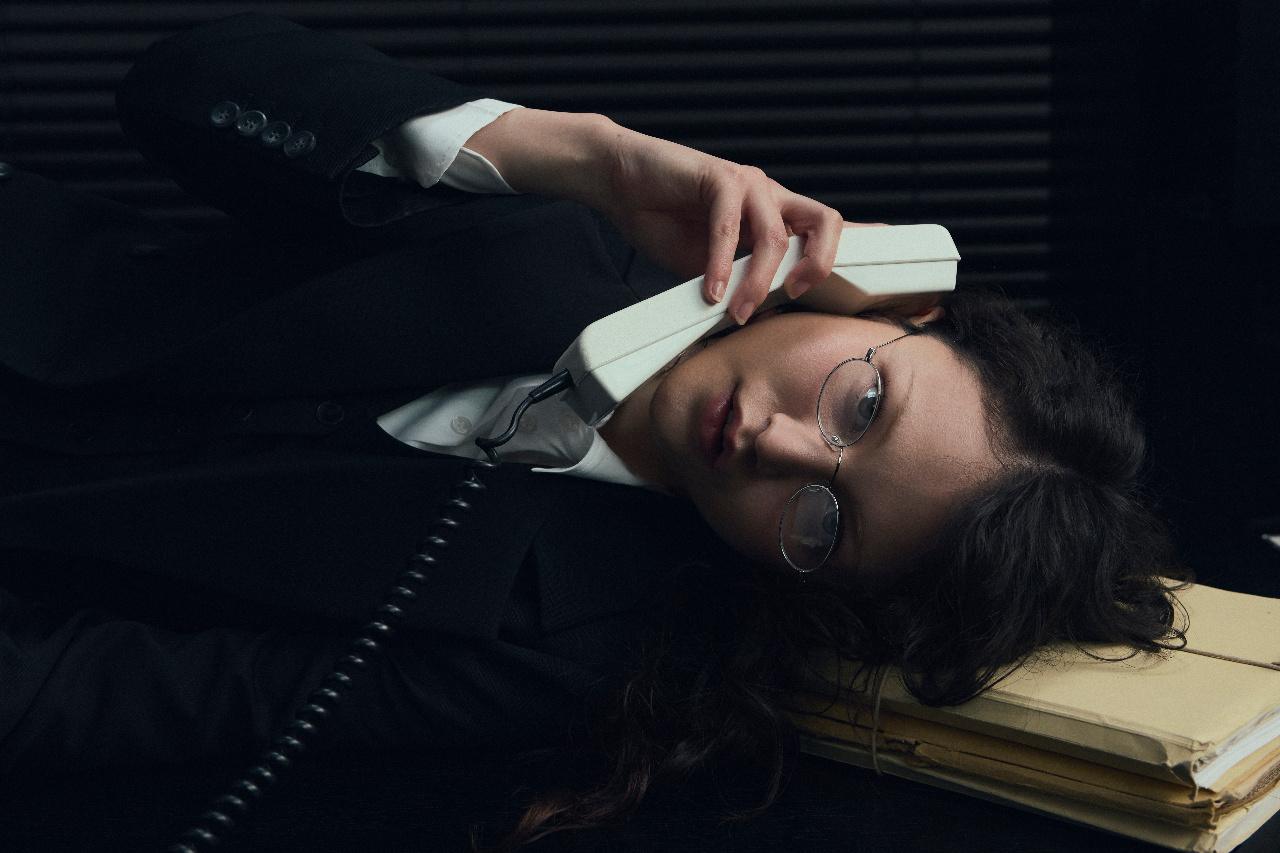
Your strongest people go quiet in the room where they most need to be heard.

They speak up in the senior meeting, because they have practised that exact moment under pressure.
 TAP TO SEE AFTER
The night before the presentation, you are awake at 3am running through it.
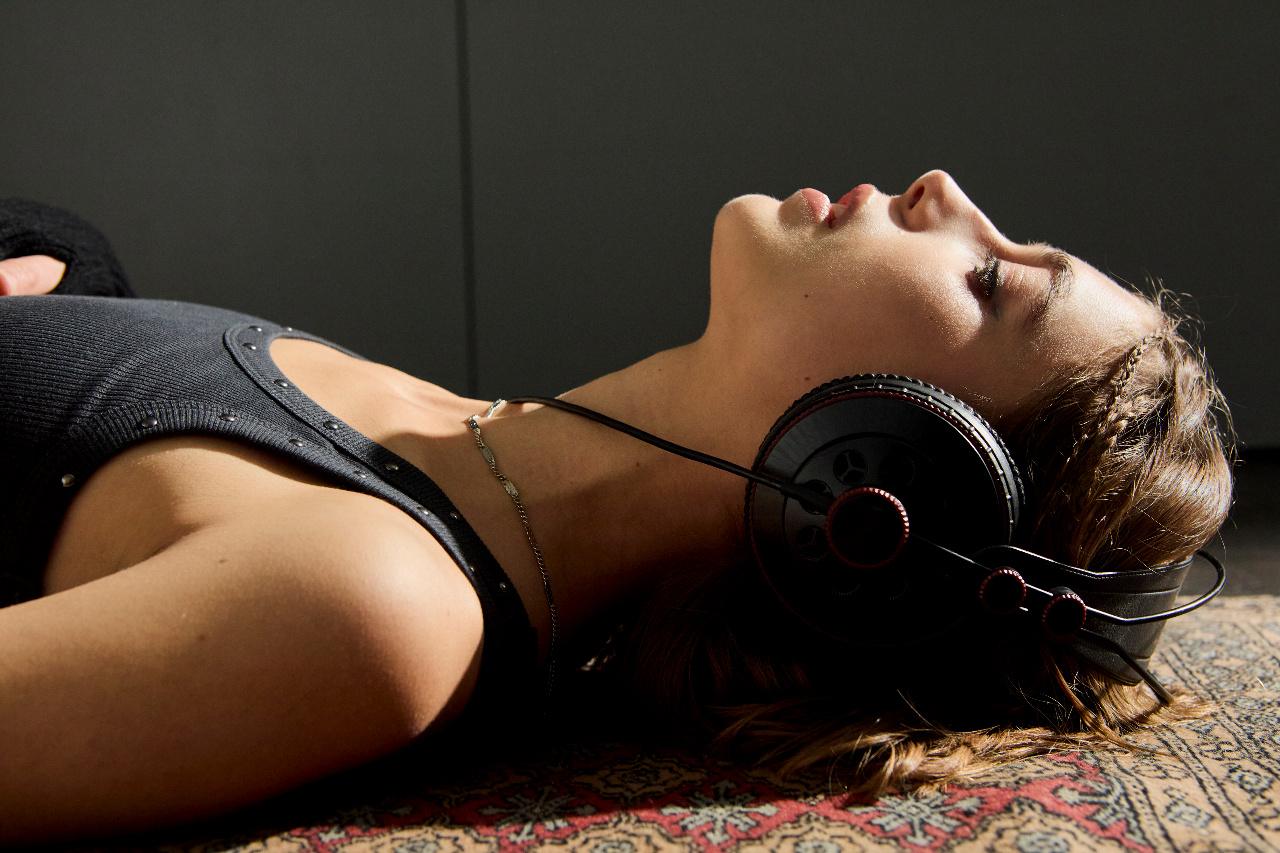
You go through it once with the breathing you practised, then put it down.
When people freeze in a meeting, it is usually not because they were unprepared.
The presentation was prepared. The difficult conversation was planned. Then the pressure arrived and the words went. Presentation skills training does not change that response on its own. This workshop works on the response directly, and makes it visible.
- 01Managers facing their first hard conversations
- 02Sales and client teams in pitches and negotiations
- 03Leaders presenting to boards and investors
- 04Anyone whose nerves or performance anxiety at work are holding back what they can do
A question you were dreading, in front of people whose opinion matters.
Heart rate rises and stress hormones go up within seconds.
Shallow and high in the chest, which keeps the alarm running.
Onto the danger, and away from the words and the person in front of you.
We ask the hard question twice: once before the techniques, and once after.
Three ways to steady the response.
Each one is short enough to use in the thirty seconds before a meeting, and each one shows up on the headband.
Breathe out longer
A breathing pattern with a long out breath that people can use without anyone noticing. Five minutes a day of this kind of breathing has been shown to improve mood.
Widen the attention
Under pressure attention narrows to the threat. People practise moving it back out to the room and the person in front of them, so they hear the question that was actually asked.
Change what the moment means
Reading a racing heart as readiness rather than danger. In published studies, people who reframed their nerves this way spoke and performed better under pressure.
Three hours, with the hard question asked twice.
We build the pressure questions with you beforehand, so they are the moments your people really face.
The threat response, with a volunteer's resting signal on screen.
The volunteer answers while the room watches the signal. Shown only with written agreement.
Breathing, attention and reframing, practised by everyone.
Fifteen minutes.
Each person's own hard question, wearing a headband.
Both attempts compared on screen.
Headbands connected to the Neuro room before people leave.
What your people take back to work.
The half day is built around what people can do differently on Monday morning, and you can see the change in the room.

- 01They know their own pressure response
Each person has seen what pressure does to them, on a screen, in numbers, and what brings it back down.
- 02They have three techniques that work in thirty seconds
Breathing, attention and reframing, practised until people can use them without thinking in the moment.
- 03They have practised the hard moment under pressure
Real pressure questions from their own work, answered twice, with the change shown on screen.
- 04They keep training for three months
With a headband, each person runs short sessions in the Neuro room and sees their numbers each time.
- 05HR sees how the team moved
A grouped summary of the workshop and the practice afterwards, never anyone's own signal or what they said.
The first answer against the second.
The line shows how far the signal moved away from resting level after the question. A lower peak and a faster return is what training the response looks like.
| Measure | First | Second |
|---|---|---|
| Biggest reaction | 3.1 | 1.6 |
| Time to settle | 31 s | 13 s |
| Speaking speed | 150 wpm | 129 wpm |
Buy headbands for the team, or we demo them.
Either way everyone learns the techniques in the room. The difference is whether people keep training with a headband afterwards.
We bring the headbands
We bring headbands for the live demonstration and people try them in turns during the practice.
- The full half day
- Live signal on a large screen
- Everyone learns and practises the three techniques
- A grouped summary for HR afterwards
A headband for every person
Each person keeps a four sensor EEG headband and gets three months in the Neuro room.
- A headband each to keep
- Three months in the Neuro room: a baseline, a pressure prompt, the reset, then the same moment again
- Set up and tested in the workshop before people leave
The Neuro room runs in Chrome or Edge on a laptop. Headband support in the room is new, which is why we connect and test every headband with people in the workshop itself.
Each part is based on published research.
Being judged raises stress hormones
Speaking to a panel that is judging you raises cortisol two to four times above baseline.
Kirschbaum et al., 1993Sensors are enough to measure it
A four sensor headband recorded the same standard brain responses as a laboratory system.
Krigolson et al., 2017Studies on slow breathing
Slow breathing was often followed by lower arousal and anxiety. Reading nerves as excitement also improved speeches.
Zaccaro et al., 2018 · Brooks, 2014Studies on practising under pressure
Training under pressure reduced performance anxiety and improved performance under stress.
Saunders et al., 1996This is never a diagnosis. It is about teaching self calming techniques that people can use in the moments that matter at work.
What HR teams ask before they book.
Is this therapy?
No. It is performance coaching for work. It does not diagnose or treat anything, and it is not a replacement for support from a doctor. If someone is struggling beyond work moments, we will say so kindly and point them to the right help.
Does anyone have to wear a headband in front of the room?
No. The volunteer for the live demonstration chooses to do it and agrees in writing to what the room sees. Everyone else practises in pairs, and nobody is shown on screen without agreeing.
What does HR see?
A grouped summary of the workshop and of practice afterwards: how many people trained and how the group's numbers moved. Never an individual's signal, recording or what they said.
What happens after three months?
People keep the headband and the techniques. If you want the Neuro room to carry on, we will quote for it, or the team can carry on practising in Mara.
What do people need for the Neuro room?
A laptop with Chrome or Edge and Bluetooth. We set everyone up during the workshop.
Can we run it online?
The half day works best in person because of the live headband work. Talk to us if your team is spread out.
Tell us about your team.
We will come back within one working day with dates and a quote. You can pick a time to talk straight after sending.
Thank you. We have your details. Pick a time below, or we will email you within one working day.
The Brain Training brochure.
Agenda, evidence, headband options and what HR sees, on seven pages you can forward.